The Printing API

The Power of White Label Solutions in Printing Services

In today’s competitive business landscape, offering a wide range of printing services is essential for meeting diverse customer needs and staying ahead of the competition. One effective strategy for expanding your printing business is to leverage white label solutions. Let’s explore the power of white label solutions in printing services and how they can benefit your business.

  •                         Understanding White Label Solutions: Before diving into the benefits, let’s understand what white label solutions are. Essentially, a white label solution allows you to rebrand and resell products or services created by another company as your own. In the context of printing services, a white label solution enables you to offer a comprehensive range of printing products and services under your brand name without having to invest in the infrastructure, technology, or expertise required to produce them.
  •                         Expanded Product Portfolio: One of the key advantages of white label solutions in printing services is the ability to expand your product portfolio rapidly. Instead of limiting yourself to a few printing products or services, you can offer a diverse range of products, including business cards, brochures, banners, signage, promotional items, and more. By partnering with a white label provider, you gain access to a vast catalog of customizable printing products that you can offer to your customers without the need for additional investment.
  •                         Cost-Effective Solution: Setting up and maintaining a printing facility can be costly, requiring significant capital investment in equipment, technology, personnel, and infrastructure. With a white label solution, you can bypass these upfront costs and overhead expenses. Instead, you pay a licensing fee or a percentage of sales to the white label provider, allowing you to operate more efficiently and allocate resources to other areas of your business, such as marketing, sales, and customer service.
  •                         Brand Customization and Control: While leveraging white label solutions, you retain full control over your brand identity and customer experience. You can customize the products with your branding, logo, colors, and messaging to ensure consistency across all touchpoints. This level of brand customization instills trust and confidence in your customers and reinforces your brand’s reputation as a reliable provider of high-quality printing services.
  •                         Scalability and Flexibility: White label solutions offer scalability and flexibility, allowing you to adapt to changing market demands and customer preferences quickly. Whether you’re a startup looking to test the waters or an established printing business seeking to expand into new markets, white label solutions provide the agility and scalability you need to grow your business without constraints.
  •                         Focus on Core Competencies: By outsourcing printing production to a white label provider, you can focus on your core competencies, such as sales, marketing, and customer service. Instead of getting bogged down in the intricacies of printing production, you can devote your time and resources to activities that drive revenue and enhance customer satisfaction, ultimately fueling business growth.

White label solutions offer a compelling opportunity for printing businesses to expand their product offerings, reduce costs, maintain brand control, and scale operations effectively. By partnering with a reputable white label provider, you can unlock new revenue streams, attract more customers, and position your business for long-term success in the competitive printing industry.

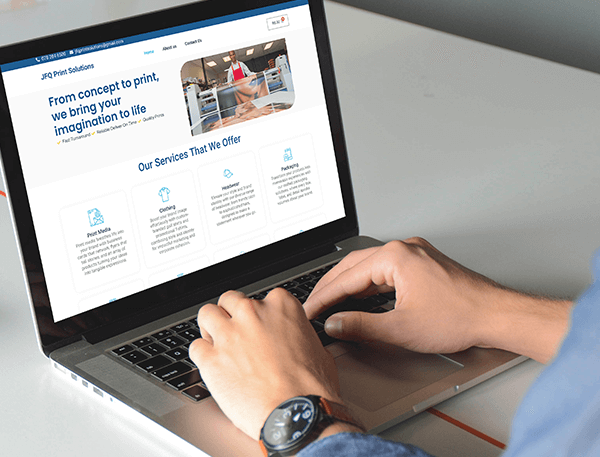
Start Your Own Business Today: Take advantage of our white-label solution to kickstart your own printing business. Our platform offers a comprehensive suite of printing services, including digital and offset printing, packaging, labels, and more. With our white-label solution, you can brand our services as your own, providing a seamless experience for your clients while leveraging our expertise and infrastructure. Whether you’re looking to launch a new venture or expand your existing printing business, our white-label solution offers the flexibility and scalability you need to succeed in the competitive printing industry.

Drop Shipping Solutions Using Our API

To set up a drop shipping store using your API, you’ll need to follow these general steps:

  •                         Research Your Niche: Choose a niche or market segment for your drop shipping store. Consider factors like product demand, competition, and profit margins.
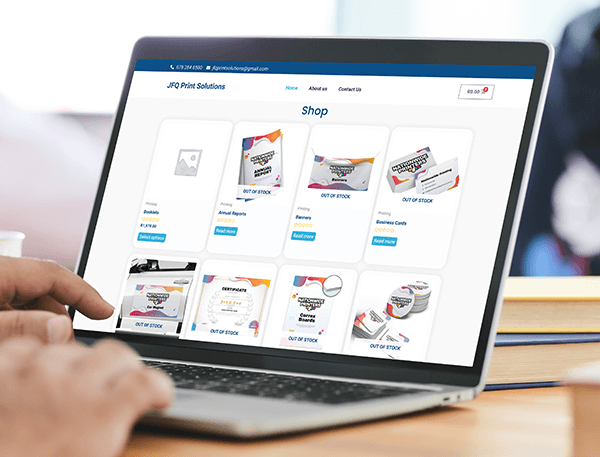
  •                         We Create Your Store: Set up an online store using an e-commerce platform like Shopify, WooCommerce, or Magento. Customize your store’s design and layout to align with your brand and target audience.
  •                         Integrate Your API: Integrate your API into your store’s backend. This involves connecting your store to your supplier’s system via API endpoints. This integration allows you to retrieve product data, manage inventory, and process orders automatically.
  •                         Import Products: Use your API integration to import products from your supplier’s catalog into your store. Ensure that product information, pricing, and images are accurately displayed on your website.
  •                         Manage Inventory: Continuously sync inventory levels between your store and your supplier’s system using API calls. This ensures that product availability is accurately reflected on your website, and you can avoid selling out-of-stock items.
  •                         Handle Orders: When a customer places an order on your website, use your API integration to automatically forward the order details to your supplier for fulfillment. This includes sending shipping information and payment details.
  •                         Monitor Performance: Regularly monitor your store’s performance, including sales metrics, customer feedback, and inventory levels. Use this data to optimize your product selection, pricing strategy, and marketing efforts.
  •                         Provide Customer Support: Offer excellent customer support to address any inquiries or issues promptly. Communicate effectively with your supplier to resolve any fulfillment-related issues or delays.
  •                         Marketing and Promotion: Implement marketing strategies to drive traffic to your store and attract potential customers. Utilize social media, email marketing, content marketing, and other channels to promote your products and brand.
  •                         Continuous Improvement: Continuously evaluate and improve your drop shipping business. Stay updated on industry trends, customer preferences, and technological advancements to remain competitive in the market.

By following these steps and leveraging your API integration effectively, you can create a successful drop shipping store that offers a seamless shopping experience for your customers while streamlining your operations.

Become a Reseller With Your Own Website or Integrate Our API With Your Website

Becoming a reseller or integrating our API with your website can offer several benefits, depending on your business model and goals. Here’s a brief overview of each option:

  •                         Becoming a Reseller:
    • As a reseller, you can purchase printing products from us at wholesale prices and sell them to your customers at retail prices, allowing you to earn a profit margin on each sale.
    • You can establish your own brand and customize your offerings to cater to your target market.
    • This option provides flexibility in terms of branding, marketing, and pricing strategies.
    • However, you’ll be responsible for managing customer orders, handling payments, and providing customer support.
  •                         Integrating Our API:
    • By integrating our API with your website or application, you can offer printing services directly to your customers without the need to handle physical inventory.
    • Our API allows you to automate the printing process, enabling customers to place orders, customize products, and submit artwork online.
    • You can offer a seamless, self-service experience to your customers, improving convenience and reducing administrative overhead.
    • This option provides scalability, allowing you to easily expand your printing services and reach a broader audience.
    • However, integration requires technical expertise and ongoing maintenance to ensure smooth operation and compatibility with your existing systems.

The choice between becoming a reseller and integrating our API depends on factors such as your business model, resources, technical capabilities, and long-term objectives. Consider your specific needs and goals carefully before making a decision.

Types of Printing Products

  • Business cards
  • Brochures
  • Flyers
  • Letterheads
  • Posters
  • Banners
  • Catalogues
  • Invitations
  • Envelopes
  • Stickers
  • Labels
  • Packaging boxes
  • Menus
  • Booklets
  • Calendars
  • Magazines
  • T-shirts (with printed designs)
  • Postcards
  • Door hangers
  • Greeting cards
  • Notepads
  • Presentation folders
  • Roll-up banners
  • Vehicle wraps
  • Wall decals
  • Floor decals
  • Table tents
  • Tickets
  • Event wristbands
  • Hang tags
  • Packaging inserts
  • Custom signs
  • Name tags
  • Loyalty cards
  • Gift vouchers
  • Window graphics
  • Event programs
  • Promotional pens (with printed logos)
  • Customized mugs
  • Magnets
  • Desk calendars
  • Customized USB drives
  • Product manuals
  • Educational materials
  • Training manuals
  • Annual reports
  • Certificates
  • Membership cards
  • Bookmarks
  • Packaging sleeves

These are just some examples, and there are many more types of printing products available based on specific needs and requirements.

Scaling Your Printing Business with API Integration

API (Application Programming Interface) integration has become a crucial aspect of scaling printing businesses, enabling them to streamline operations, improve efficiency, and enhance customer experience. By integrating APIs into their workflows, printing businesses can unlock new opportunities for growth and innovation. Here’s how API integration can help scale your printing business:

  •                         Streamlined Order Processing: API integration allows printing businesses to automate various aspects of order processing, from file submission and validation to production and delivery. By integrating APIs into their systems, printing businesses can reduce manual intervention, minimize errors, and accelerate order fulfillment, leading to improved efficiency and faster turnaround times.
  •                         Expanded Product Offerings: With API integration, printing businesses can expand their product offerings to include a wider range of printed materials and services. By integrating with third-party APIs for specialty printing processes, finishing options, or promotional products, printing businesses can cater to diverse customer needs and preferences, attracting new customers and increasing revenue streams.
  •                         Enhanced Customer Experience: API integration enables printing businesses to offer a seamless and intuitive ordering experience to their customers. By integrating with e-commerce platforms or customer relationship management (CRM) systems, printing businesses can provide customers with a centralized platform for placing orders, tracking order status, and accessing account information, enhancing convenience and satisfaction.
  •                         Improved Production Efficiency: API integration facilitates better coordination and communication between different systems and processes within a printing business. By integrating APIs for inventory management, job scheduling, and production tracking, printing businesses can optimize resource allocation, minimize downtime, and improve overall production efficiency, leading to cost savings and higher productivity.
  •                         Dynamic Pricing and Quoting: API integration allows printing businesses to implement dynamic pricing and quoting mechanisms based on real-time data and variables such as order volume, specifications, and production capacity. By integrating with pricing APIs or algorithms, printing businesses can generate accurate and competitive quotes for customers, maximizing revenue potential and profitability.
  •                         Scalability and Flexibility: API integration provides printing businesses with the scalability and flexibility needed to adapt to changing market demands and business requirements. Whether expanding into new markets, adding new product lines, or integrating with third-party services, printing businesses can leverage APIs to scale their operations efficiently and cost-effectively, without significant infrastructure investments.
  •                         Data Analytics and Insights: API integration enables printing businesses to gather valuable data and insights from their operations, customer interactions, and market trends. By integrating with analytics and reporting APIs, printing businesses can gain actionable insights into customer behavior, product performance, and business operations, empowering data-driven decision-making and strategic planning.
  •                         Competitive Advantage: In today’s competitive printing industry, API integration can serve as a key differentiator for printing businesses looking to stay ahead of the competition. By embracing API-driven innovation and leveraging emerging technologies, printing businesses can offer unique value propositions, attract new customers, and build long-term relationships with existing clients, gaining a competitive edge in the market.

API integration offers numerous opportunities for scaling printing businesses by streamlining operations, expanding product offerings, enhancing customer experience, and driving innovation. By harnessing the power of APIs, printing businesses can unlock new growth opportunities, improve operational efficiency, and remain competitive in an ever-evolving industry landscape.

Printing APIs: Revolutionizing On-Demand Printing Services

Printing APIs (Application Programming Interfaces) are transforming the landscape of on-demand printing services, offering businesses unprecedented flexibility, efficiency, and convenience in producing printed materials. With the integration of printing APIs into their workflows, printing service providers can meet the growing demand for customized, high-quality printed products while streamlining their operations. Here’s how printing APIs are revolutionizing on-demand printing services:

  •                         Instant File Submission: Printing APIs allow customers to submit print-ready files directly from their devices or applications to the printing service provider’s platform in real-time. By eliminating the need for manual file uploads or transfers, printing APIs enable customers to initiate printing orders quickly and seamlessly, reducing turnaround times and enhancing user experience.
  •                         Automated Order Processing: With printing APIs, printing service providers can automate the entire order processing workflow, from file validation and preflight checks to job scheduling and production. By integrating printing APIs into their systems, printing service providers can streamline order management, minimize errors, and accelerate the processing of printing orders, ensuring timely delivery of printed materials to customers.
  •                         Customization Options: Printing APIs offer extensive customization options for printed materials, allowing customers to personalize their orders according to their preferences and specifications. From selecting paper types and finishes to specifying printing preferences such as color profiles and binding options, customers can tailor their printing orders to meet their unique needs, ensuring optimal results and satisfaction.
  •                         Dynamic Pricing Models: Printing APIs enable printing service providers to implement dynamic pricing models based on various factors such as order volume, printing specifications, and delivery options. By leveraging printing APIs to calculate accurate pricing quotes in real-time, printing service providers can offer competitive pricing, optimize revenue streams, and attract more customers to their on-demand printing services.
  •                         Integration with E-commerce Platforms: Printing APIs seamlessly integrate with e-commerce platforms, allowing businesses to offer on-demand printing services as part of their online storefronts. By embedding printing APIs into their e-commerce websites or applications, businesses can enable customers to place printing orders directly from the platform, streamlining the ordering process and enhancing convenience for users.
  •                         Real-Time Order Tracking: Printing APIs provide real-time order tracking capabilities, allowing customers to monitor the status of their printing orders from submission to delivery. By accessing order tracking information through the printing service provider’s platform or mobile application, customers can stay informed about the progress of their orders, manage expectations, and ensure timely receipt of printed materials.
  •                         Scalability and Reliability: Printing APIs are designed to be scalable and reliable, capable of handling a high volume of printing orders with ease. Whether processing a few orders or thousands of orders simultaneously, printing APIs ensure consistent performance, uptime, and reliability, enabling printing service providers to meet the demands of their customers without compromising quality or efficiency.
  •                         Enhanced Customer Engagement: By offering on-demand printing services powered by printing APIs, printing service providers can enhance customer engagement and satisfaction. With intuitive user interfaces, interactive design tools, and responsive customer support, printing service providers can create a seamless and enjoyable printing experience for their customers, fostering long-term relationships and loyalty.

Printing APIs are revolutionizing on-demand printing services by providing businesses with the tools and capabilities they need to offer customized, efficient, and convenient printing solutions to their customers. By embracing printing APIs, printing service providers can differentiate themselves in the market, drive business growth, and deliver exceptional value to their customers in today’s fast-paced digital world.

Printing APIs: Driving Efficiency in Marketing Campaigns

Printing APIs (Application Programming Interfaces) are revolutionizing the way businesses manage their marketing campaigns, offering unparalleled efficiency and flexibility in printing processes. By leveraging printing APIs, businesses can streamline their marketing workflows, enhance collaboration, and deliver high-quality printed materials with ease. Here’s how printing APIs are driving efficiency in marketing campaigns:

  •                         Automated Printing Processes: Printing APIs enable businesses to automate various aspects of the printing process, from generating print-ready files to sending them to the printing press. By integrating printing APIs into their marketing systems, businesses can eliminate manual tasks, reduce errors, and accelerate the production of marketing materials.
  •                         On-Demand Printing: With printing APIs, businesses can take advantage of on-demand printing services, allowing them to print marketing materials as needed without maintaining large inventories. This agile approach enables businesses to respond quickly to changing market conditions, personalize marketing materials for specific audiences, and minimize waste.
  •                         Personalization and Customization: Printing APIs empower businesses to create highly personalized and customized marketing materials tailored to the preferences and interests of individual customers. By integrating variable data printing capabilities into their marketing workflows, businesses can dynamically generate printed materials with unique content, images, and offers for each recipient, increasing engagement and conversion rates.
  •                         Multi-Channel Integration: Printing APIs facilitate seamless integration with other marketing channels, such as email, social media, and mobile applications. Businesses can leverage printing APIs to synchronize their print and digital marketing efforts, ensuring consistent messaging and branding across all channels and enhancing the overall effectiveness of their marketing campaigns.
  •                         Real-Time Tracking and Analytics: Printing APIs provide businesses with real-time tracking and analytics capabilities, allowing them to monitor the status of printing jobs, track delivery times, and analyze the performance of marketing materials. By gaining insights into printing metrics such as print volumes, response rates, and ROI (Return on Investment), businesses can optimize their marketing strategies and make data-driven decisions to maximize results.
  •                         Enhanced Collaboration and Workflow Management: Printing APIs facilitate collaboration and workflow management among marketing teams, designers, and printing partners. By centralizing printing processes within a unified platform, businesses can streamline communication, track project statuses, and coordinate tasks more efficiently, ensuring smooth execution of marketing campaigns from concept to delivery.
  •                         Cost Savings and Efficiency Gains: By automating printing processes, reducing waste, and optimizing resource utilization, printing APIs help businesses achieve significant cost savings and efficiency gains in their marketing operations. With streamlined workflows and reduced lead times, businesses can lower production costs, improve time-to-market, and achieve higher returns on their marketing investments.
  •                         Scalability and Flexibility: Printing APIs offer scalability and flexibility to accommodate the evolving needs of businesses of all sizes. Whether launching small-scale promotional campaigns or large-scale marketing initiatives, businesses can easily scale their printing operations up or down as needed, leveraging printing APIs to meet changing demands and seize new opportunities in the market.

Printing APIs are revolutionizing marketing campaigns by driving efficiency, automation, and personalization in printing processes. By harnessing the power of printing APIs, businesses can streamline their marketing workflows, deliver compelling printed materials, and achieve greater success in engaging customers, driving conversions, and building brand loyalty.

Security Considerations for Implementing Printing APIs

Implementing printing APIs (Application Programming Interfaces) can bring numerous benefits to businesses, but it’s crucial to consider security implications to protect sensitive data and ensure the integrity of printing processes. Here are some key security considerations for businesses looking to implement printing APIs:

  •                         Authentication and Authorization: Implement robust authentication and authorization mechanisms to control access to printing APIs. Use secure authentication protocols such as OAuth or API keys to authenticate users and ensure that only authorized individuals or applications can access printing resources and perform printing actions.
  •                         Data Encryption: Encrypt data transmitted between client applications and printing APIs to prevent eavesdropping and unauthorized access. Use secure communication protocols such as HTTPS (HTTP over SSL/TLS) to encrypt data in transit, ensuring that sensitive information remains confidential during transmission.
  •                         Secure Data Storage: Implement secure data storage practices to protect sensitive information stored by printing APIs. Use encryption to protect data at rest and ensure that stored data is inaccessible to unauthorized parties. Implement access controls and logging mechanisms to track access to stored data and detect any unauthorized activities.
  •                         Input Validation: Validate all input received by printing APIs to prevent injection attacks such as SQL injection or cross-site scripting (XSS). Implement strict input validation routines to sanitize input data and prevent malicious code execution or data manipulation. By validating input data, businesses can mitigate the risk of security vulnerabilities and ensure the integrity of printing processes.
  •                         Audit Logging: Implement comprehensive audit logging mechanisms to record all printing-related activities and monitor for suspicious or unauthorized actions. Log printing requests, user interactions, and system events to create an audit trail that can be used for forensic analysis and compliance purposes. Regularly review audit logs to detect and investigate any security incidents or policy violations.
  •                         API Rate Limiting: Implement rate limiting mechanisms to prevent abuse or misuse of printing APIs. Enforce limits on the number of requests allowed per user or application to prevent denial-of-service (DoS) attacks and ensure fair usage of printing resources. By implementing rate limiting, businesses can protect printing APIs from excessive traffic and maintain optimal performance for legitimate users.
  •                         Patch Management: Keep printing API software and dependencies up to date with the latest security patches and updates. Regularly monitor for security advisories and vulnerability disclosures related to printing APIs and apply patches promptly to address any known security vulnerabilities. Patch management is essential for reducing the risk of exploitation by attackers and ensuring the security of printing infrastructure.
  •                         Third-Party Integration: Exercise caution when integrating third-party services or components with printing APIs. Perform thorough security assessments of third-party components to ensure they meet security standards and do not introduce vulnerabilities or risks to printing processes. Implement security controls such as sandboxing or access restrictions to mitigate the impact of any security issues in third-party integrations.

Addressing these security considerations, businesses can implement printing APIs securely and protect sensitive data throughout the printing process. Prioritizing security in the implementation of printing APIs, businesses can minimize the risk of data breaches, unauthorized access, and other security incidents, ensuring the confidentiality, integrity, and availability of printing services.

Exploring the Potential of Cloud-Based Printing APIs

Cloud-based printing APIs (Application Programming Interfaces) have revolutionized the printing industry by offering powerful tools and resources to businesses of all sizes. Here’s a closer look at the potential of cloud-based printing APIs and how they can benefit businesses:

  •                         Accessibility: One of the key advantages of cloud-based printing APIs is accessibility. These APIs allow businesses to access printing services and resources from anywhere with an internet connection, eliminating the need for physical printing equipment or infrastructure. This accessibility enables businesses to streamline their printing processes and collaborate more effectively with remote teams and partners.
  •                         Scalability: Cloud-based printing APIs offer scalability, allowing businesses to easily scale their printing operations up or down based on demand. Whether a business needs to print a few documents or thousands of copies, cloud-based printing APIs can handle the workload without the need for additional hardware or resources. This scalability makes it easy for businesses to accommodate fluctuations in printing volume and grow their operations as needed.
  •                         Cost-Effectiveness: Cloud-based printing APIs can be a cost-effective solution for businesses, particularly small and medium-sized enterprises (SMEs). By leveraging cloud-based printing APIs, businesses can avoid the upfront costs associated with purchasing printing equipment and infrastructure. Instead, they can pay for printing services on a pay-as-you-go basis or through subscription models, allowing them to better manage their printing expenses and reduce overhead costs.
  •                         Flexibility: Cloud-based printing APIs offer flexibility, allowing businesses to choose from a wide range of printing services and solutions to meet their specific needs. Whether a business needs basic printing capabilities, advanced customization options, or specialty printing services, cloud-based printing APIs can provide the flexibility to tailor printing solutions to their requirements. This flexibility enables businesses to adapt to changing market demands and customer preferences more effectively.
  •                         Integration: Cloud-based printing APIs are designed to integrate seamlessly with existing business systems and workflows, making it easy for businesses to incorporate printing capabilities into their operations. These APIs can integrate with popular software platforms, such as e-commerce platforms, customer relationship management (CRM) systems, and document management systems, allowing businesses to automate printing processes and improve overall efficiency.
  •                         Enhanced Collaboration: Cloud-based printing APIs facilitate collaboration by enabling multiple users to access and share printing resources and documents in real-time. Whether collaborating on a design project, reviewing a document, or printing marketing materials, cloud-based printing APIs provide a centralized platform for teams to work together efficiently. This enhanced collaboration can lead to faster decision-making, improved communication, and better outcomes for businesses.

Cloud-based printing APIs offer numerous benefits for businesses looking to streamline their printing processes, reduce costs, and improve efficiency. By leveraging the potential of cloud-based printing APIs, businesses can access scalable, cost-effective printing solutions that enable them to meet their printing needs more effectively and adapt to changing market conditions.

The Benefits of Using Printing APIs for E-commerce Platforms

Printing APIs (Application Programming Interfaces) offer numerous advantages for e-commerce platforms looking to enhance their printing capabilities and streamline their operations. Here are some of the key benefits of integrating printing APIs into e-commerce platforms:

  •                         Efficient Order Processing: Printing APIs enable e-commerce platforms to automate the printing process for orders placed on their websites. By integrating with the e-commerce platform’s backend systems, printing APIs can automatically generate print-ready files for orders as they are received, reducing the need for manual intervention and streamlining order processing.
  •                         Customization Options: Printing APIs allow e-commerce platforms to offer a wide range of customization options for printed products. Customers can personalize their orders with custom text, images, and designs, creating unique products that meet their specific needs. This level of customization can help e-commerce platforms attract and retain customers by offering personalized products that stand out from the competition.
  •                         Expanded Product Offerings: With printing APIs, e-commerce platforms can easily expand their product offerings to include a variety of printed items, such as apparel, accessories, and promotional materials. By partnering with printing providers that offer API integration, e-commerce platforms can offer a diverse range of products without the need to invest in printing equipment or inventory.
  •                         Faster Turnaround Times: By automating the printing process, printing APIs can help e-commerce platforms reduce turnaround times for orders. Print-ready files can be generated and sent to printing facilities quickly, allowing orders to be processed and shipped out to customers faster. This can lead to improved customer satisfaction and repeat business for e-commerce platforms.
  •                         Scalability: Printing APIs are highly scalable, allowing e-commerce platforms to handle large volumes of orders without experiencing performance issues. As e-commerce platforms grow and expand their customer base, printing APIs can easily accommodate increased demand for printed products, ensuring a seamless printing experience for both customers and platform administrators.
  •                         Integration with Third-Party Services: Printing APIs can integrate seamlessly with third-party services and platforms, such as shipping providers, payment gateways, and marketing tools. This allows e-commerce platforms to create a fully integrated ecosystem that streamlines the entire order fulfillment process, from order placement to delivery.

Printing APIs offer numerous benefits for e-commerce platforms looking to enhance their printing capabilities and provide a seamless shopping experience for their customers. By leveraging the power of printing APIs, e-commerce platforms can offer a wide range of customizable printed products, streamline order processing, and improve overall efficiency and customer satisfaction.